Kids don’t need to be sold on birds. Put a feeder where a six-year-old can see it from the breakfast table and the interest takes care of itself. What they need is for the first few weeks to be easy: birds that show up reliably, gear that fits their hands, and a way to keep score. Here’s how to set that up, by age, without turning it into a lesson.

Start at the window, not in the woods
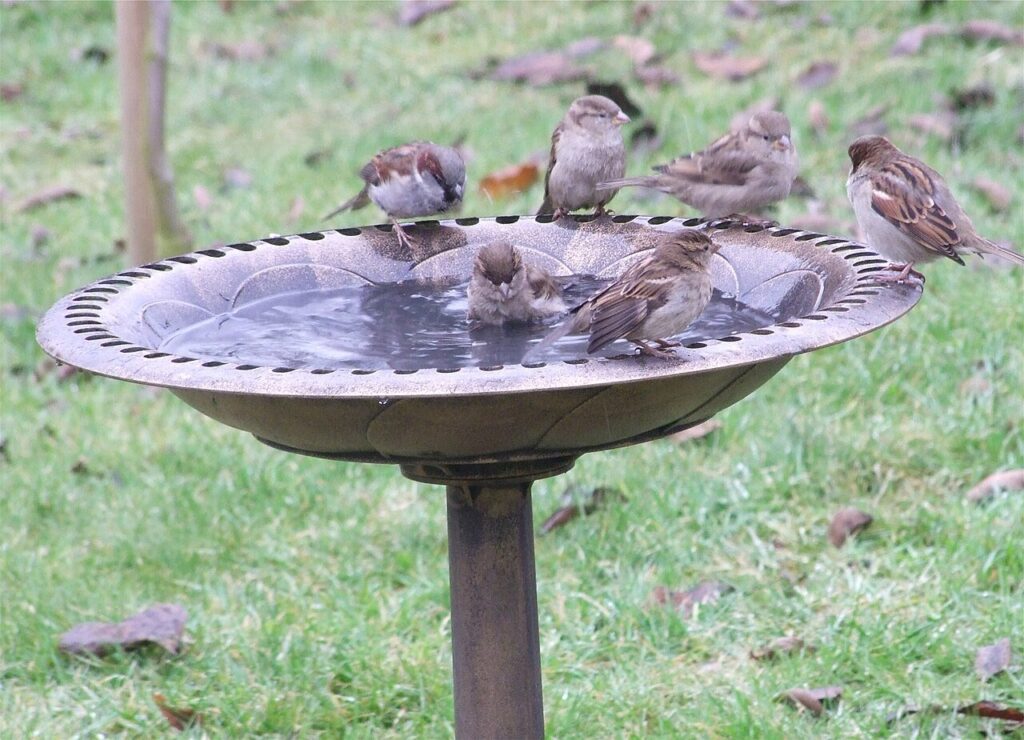
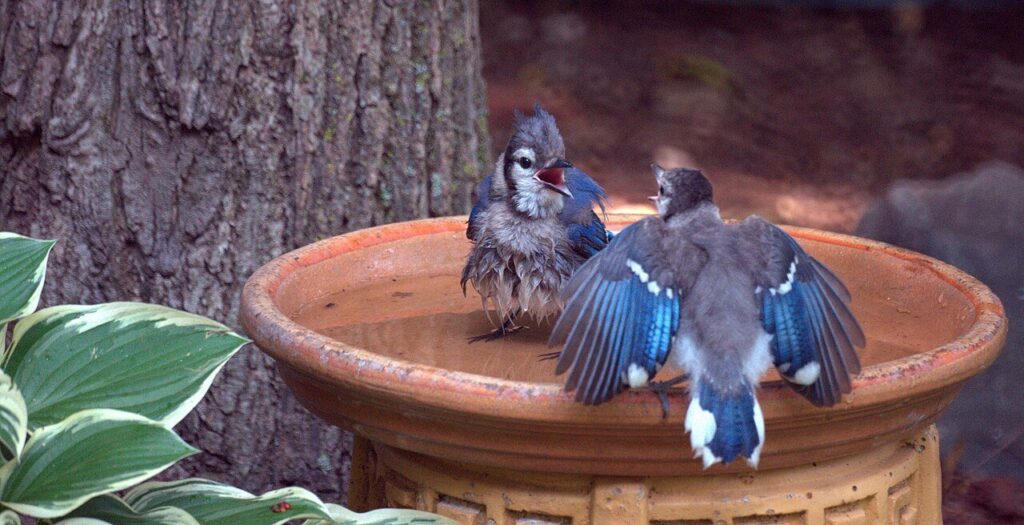
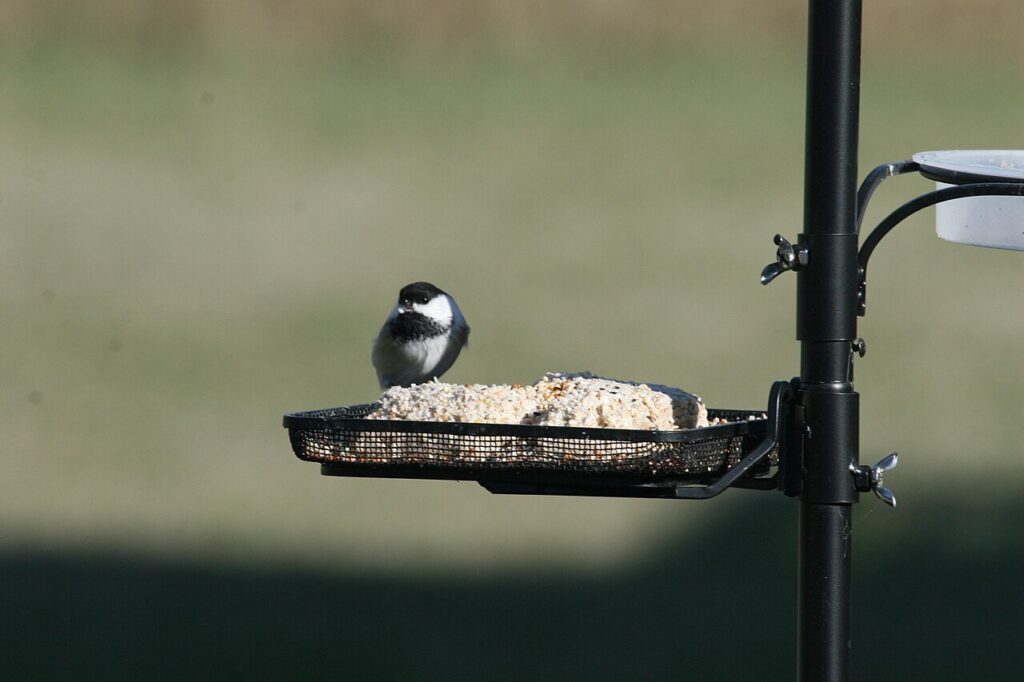
The mistake most parents make is a Saturday hike to a nature preserve with borrowed binoculars and a two-hundred-page field guide. The kid sees nothing, gets bored in twenty minutes, and the whole idea is over. Start instead with a feeder on the window the child looks out of most: a clear suction-cup window feeder filled with black-oil sunflower. Within a week there are chickadees eighteen inches from their cereal bowl, and every chickadee is a lesson in how birds move, feed, and watch for danger. Our window feeder guide covers mounting it so it doesn’t fall. Add a shallow bird bath in view of the same window and you’ve doubled the show.
Give them a job
Kids stay interested in things they’re responsible for. Filling the feeder, changing the bath water, and checking the seed can are jobs a four-year-old can do with help and an eight-year-old can own. A child who fills the feeder notices when the jays have emptied it, and that’s the first observation.

Gear that fits, by age
Ages 3 to 6
No binoculars yet; they can’t hold them steady or find the bird, and the frustration undoes the interest. A window feeder, a bird bath, and a picture book of local birds. The National Geographic Backyard Guide to the Birds of North America has big photos of the 150 birds a yard actually gets and is the right first book for any age.
Ages 6 to 9
Real binoculars, small ones. The Kidwinz kids binoculars are 8×21 with real glass optics, a shockproof shell, and a strap sized for a child; they focus close enough for the feeder and far enough for the yard. Skip the cartoon-colored toy binoculars with plastic lenses; a kid who can’t see through them decides birding is boring, when the problem was the toy.
Ages 9 and up
Adult compact binoculars in 8×25 or 8×32, and a regional field guide: Sibley Birds East or Sibley Birds West. At this age most kids also want the Merlin Bird ID app (free from Cornell), which identifies a bird from a photo or a recording of its song and does more to hook a ten-year-old than anything on this page.

Keep score
A life list is a list of every species the child has ever seen, and it turns birdwatching into a game with a scoreboard. Start it on the fridge: date, bird, where. Ten common yard birds come fast and feel like an achievement. Then the list itself creates the goals: the first hawk, the first hummingbird, the first bird seen on vacation. Older kids can keep the list in the free eBird app, which also shows them where other people have seen the birds they’re missing.
Make ordinary trips bird trips
Every errand passes birds. Gulls in the grocery store lot, a red-tailed hawk on the highway light pole, ducks at the pond by the ball field, crows on the school roof. Calling them out by name from the driver’s seat teaches more than a planned outing, and it’s free. When you do go somewhere on purpose, go short and specific: forty-five minutes at a pond to see ducks beats three hours in the woods hoping.
Let them draw, photograph, or build
Some kids watch, some kids do. A cheap sketchbook and a bird to draw off the window feeder. A phone camera pressed to the glass. A nest box built from a kit and hung in March, then checked from a distance each week. A milk-jug feeder. The point is the bird; the activity is whatever gets that particular child to look at it for ten minutes.
Join something, eventually
Once a child has a list going, the Great Backyard Bird Count (four days every February, free, done from your own yard) and Project FeederWatch (November to April, done from your window) turn the counting into citizen science with a real map at the end. Local Audubon chapters run kid-friendly walks, and many nature centers have a monthly family bird walk. Save these for after the feeder has done its work; they’re a reward, not a starting point.
Bottom line
Window feeder, a job, the right binoculars for the age, and a list on the fridge. That’s the whole method. The birds do the rest.
Related: The best binoculars under $200 · The best window bird feeders · Backyard bird charcuterie board · Winter backyard birds by region